
Nurenyx Public Health & Research Resource: Outdoor Infection Risks
How to Reduce Outdoor Infection Risks from Ticks and Rodents
Outdoor infection risks can increase during hiking, camping, gardening, farming, travel, and visits to cabins or cottages. This guide explains evidence-based prevention steps for tick bites, Lyme disease, hantavirus exposure, and rodent-contaminated spaces, while also helping readers explore related clinical research through Nurenyx.
Because outdoor infection risks can vary by season, geography, and activity, this page focuses on practical prevention steps rather than fear-based warnings.
Medical note: This page is for education only. It does not diagnose, treat, or replace medical advice. If you have symptoms, a high-risk exposure, trouble breathing, neurological symptoms, a spreading rash, or concerns after a tick bite or rodent exposure, contact a qualified healthcare provider or local public-health authority.
Explore Infectious Disease Research
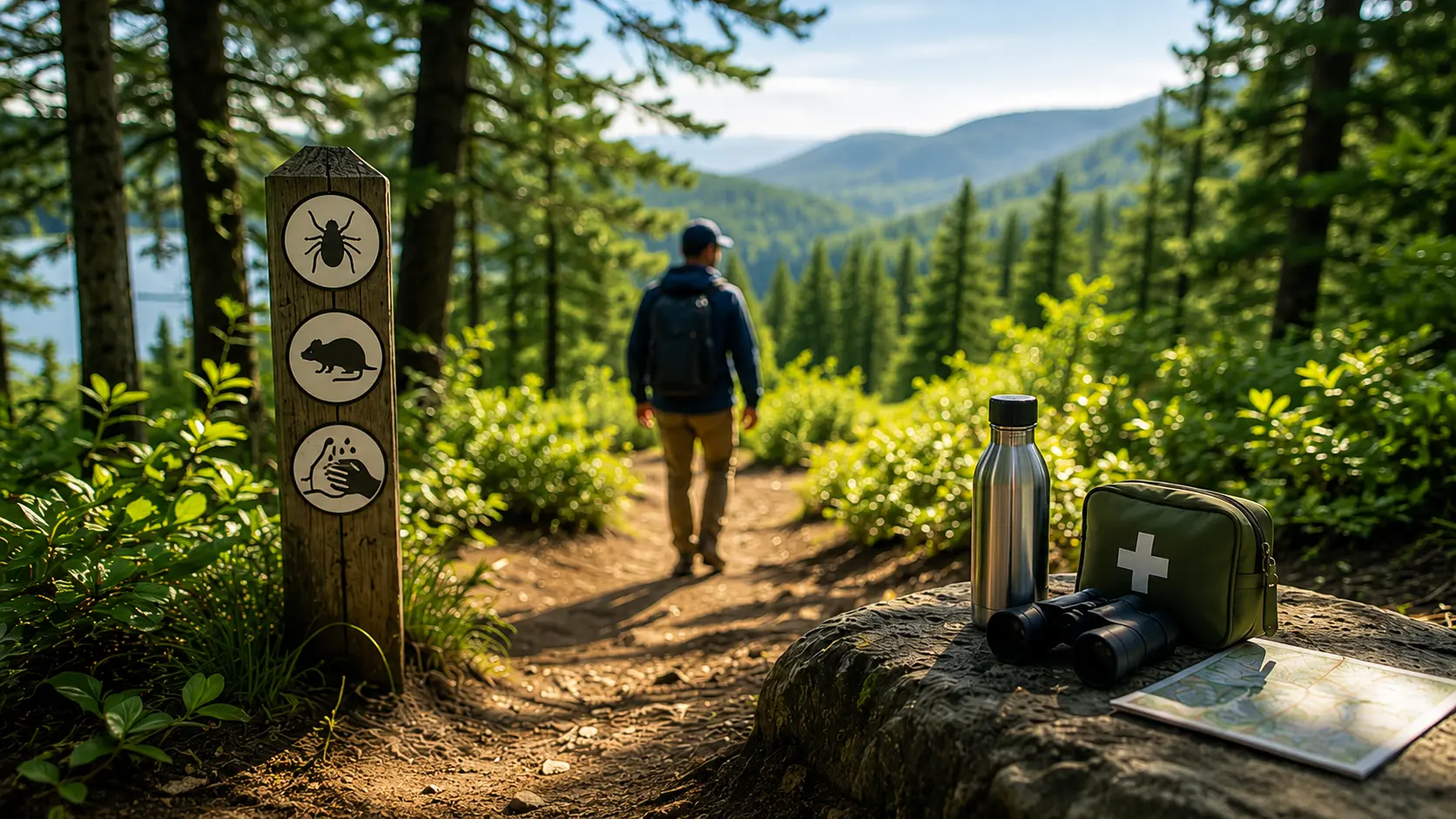
Why Outdoor Infection Risks Are Getting More Attention
Tick-borne and rodent-associated diseases are not new. However, public awareness is increasing because people are spending more time outdoors, travelling more widely, and encountering changing local disease patterns. For many people, the challenge is not knowing whether every exposure is dangerous. Instead, the practical question is knowing what to do next.
Nurenyx helps bridge that gap by turning public-health guidance into practical education. In addition, Nurenyx helps people discover clinical studies related to infectious disease, diagnostics, vaccines, post-infectious symptoms, and emerging health risks.
Tick Bites, Lyme Disease, and Outdoor Infection Risks
Ticks can attach to people and animals during outdoor activity, especially in wooded, brushy, grassy, or leaf-littered areas. Some ticks can carry bacteria, viruses, or parasites that may cause illness. Lyme disease is one of the best-known tick-borne infections. However, other conditions such as anaplasmosis, babesiosis, Powassan virus disease, and tick-borne encephalitis may also matter depending on the region.
For a step-by-step guide focused specifically on tick removal, symptom monitoring, and when to contact a healthcare provider, read:
How to Handle a Tick Bite in 7 Safe Steps.
What to do after a tick bite
- Remove the tick as soon as possible. Use clean, fine-tipped tweezers and grasp the tick close to the skin.
- Pull upward with steady, even pressure. Avoid twisting, crushing, burning, or smothering the tick.
- Clean the bite area and your hands. Use soap and water or an alcohol-based cleaner.
- Save or photograph the tick if possible. This may help with identification if you later speak with a healthcare provider.
- Record where and when the bite happened. Location and timing can help determine whether the exposure may be higher risk.
- Monitor for symptoms. Watch for rash, fever, chills, headache, fatigue, muscle aches, joint pain, facial weakness, or other unusual symptoms.
In some situations, a healthcare provider may consider preventive antibiotics after a higher-risk tick bite. This depends on factors such as tick type, location, attachment time, timing after removal, and individual medical considerations. Therefore, do not self-treat. Speak with a qualified healthcare provider.
Read CDC guidance on what to do after a tick bite.
For a step-by-step guide, read:
Tick Bite: What to Do Next and When to Seek Medical Care.
When Outdoor Infection Risks Require Medical Care
Seek urgent medical care if symptoms are severe, rapidly worsening, or include difficulty breathing, chest pain, confusion, weakness, fainting, or signs of a serious allergic reaction.
Practical tip: If you contact a clinician, share where the bite occurred, when it happened, whether the tick was attached or engorged, and whether you were in an area known for tick-borne disease.
Hantavirus, Rodent Exposure, and Outdoor Infection Risks
Hantaviruses are a group of viruses associated with rodents. People may be exposed when fresh rodent urine, droppings, saliva, nesting material, or contaminated dust is disturbed and particles become airborne. Higher-risk settings can include cabins, sheds, barns, garages, crawl spaces, storage units, poorly ventilated spaces, and areas with visible rodent activity.
Hantavirus infections are rare. However, they can still be serious. Symptoms may include fever, fatigue, muscle aches, headache, dizziness, chills, nausea, vomiting, abdominal symptoms, coughing, and shortness of breath. Anyone who develops symptoms after possible rodent exposure should seek medical care.
Read the WHO hantavirus fact sheet.
How to Reduce Outdoor Infection Risks from Rodent Droppings
The most important rule is simple: do not sweep or vacuum dry rodent droppings, urine, or nesting material. Sweeping and vacuuming can stir contaminated particles into the air.
Before cleaning a rodent-contaminated area
- Ventilate the area before cleaning when it is safe to do so.
- Wear rubber, latex, vinyl, or nitrile gloves.
- Avoid touching your face while cleaning.
- Do not sweep, vacuum, or use high-pressure air on contaminated material.
- Wet droppings and nesting material with disinfectant before removal.
- Let the disinfectant sit for the recommended contact time.
- Use paper towels or disposable materials to pick up waste.
- Place waste in a sealed bag and dispose of it according to local guidance.
- Wash hands thoroughly after removing gloves.
For larger infestations, heavy contamination, or enclosed spaces, consider contacting pest-control or environmental-cleanup professionals. In addition, follow local public-health guidance if cleanup involves a home, workplace, school, cottage, cabin, or other shared space.
Read CDC guidance on cleaning up after rodents.
Read Canadian public-health guidance on hantavirus prevention.
Andes Virus and Person-to-Person Spread
Most hantaviruses are linked to rodent exposure and do not commonly spread from person to person. Andes virus is different. It is a type of hantavirus found in South America and is the only hantavirus known to spread between people, usually through close contact with someone who is infected.
Importantly, this does not mean hantavirus is spreading easily in the general public. It means that travel history, close-contact exposure, and regional context matter. People with possible exposure and symptoms should follow local public-health guidance and seek medical care promptly.
Read CDC information about Andes virus.
Why Outdoor Infection Risks Vary by Region
Outdoor infection risks vary by geography. A tick bite in one region may carry different risks than a tick bite elsewhere. Similarly, rodent-associated risks can vary by species, climate, housing conditions, travel history, and local public-health patterns.
United States
U.S. tick-borne disease risk varies by state and region. Lyme disease is especially associated with certain parts of the Northeast, mid-Atlantic, Upper Midwest, and other expanding risk areas.
Canada
Canada has expanding awareness of blacklegged ticks and Lyme disease risk in several provinces. Public-health guidance may vary by province or territory.
Europe
In Europe, Lyme borreliosis and tick-borne encephalitis are important concerns in some regions. Tick-borne encephalitis is vaccine-preventable, and travel plans may affect risk.
ECDC tick-borne encephalitis resources
South America
In parts of South America, Andes virus is an important hantavirus concern. Risk assessment should consider rodent exposure, travel location, symptoms, and close-contact history.
Outdoor Infection Risks Checklist
Before hiking, gardening, camping, travelling, or opening a seasonal property, use this checklist to reduce avoidable exposure.
Before going outdoors
- Check local tick and mosquito guidance for the area you are visiting.
- Wear long sleeves, long trousers, and closed footwear when appropriate.
- Use repellents according to product instructions.
- Stay on clear trails when possible.
- Avoid brushing against tall grass, dense brush, and leaf litter.
- Pack tweezers, antiseptic wipes, gloves, and sealable bags.
After outdoor activity
- Check your body, clothing, children, and pets for ticks.
- Shower after potential tick exposure when possible.
- Wash or dry clothing according to local guidance and fabric instructions.
- Record any bites, unusual rashes, or symptoms.
Before cleaning cabins, sheds, garages, or storage spaces
- Look for signs of rodents before entering or cleaning.
- Ventilate enclosed areas before cleanup when safe.
- Wear gloves.
- Do not sweep or vacuum rodent droppings.
- Wet contaminated material with disinfectant before removal.
- Consider professional cleanup for heavy contamination.
Explore Clinical Research Related to Outdoor Infection Risks
Nurenyx helps people discover clinical studies related to infectious disease, diagnostics, vaccines, post-infectious symptoms, and emerging health risks. Research may include studies on Lyme disease, tick-borne infections, hantavirus, vaccine development, diagnostic testing, post-infectious fatigue, and public-health surveillance.
Outdoor Infection Risks FAQ
What should I do immediately after a tick bite?
Remove the tick as soon as possible using clean, fine-tipped tweezers. Grasp the tick close to the skin and pull upward with steady pressure. Clean the bite area and your hands afterward.
Should I burn, twist, or smother a tick?
No. Avoid burning, crushing, twisting, or smothering the tick. These methods can make removal harder and may increase risk. Instead, use tweezers and remove the tick carefully.
When should I contact a healthcare provider after a tick bite?
Contact a healthcare provider if you develop fever, rash, headache, fatigue, muscle or joint pain, facial weakness, heart symptoms, neurological symptoms, or other unusual symptoms after possible tick exposure.
Can antibiotics prevent Lyme disease after a tick bite?
In some circumstances, a healthcare provider may consider a preventive dose of antibiotics after a higher-risk tick bite. This depends on timing, tick type, local Lyme disease risk, and individual medical factors.
How do people get exposed to hantavirus?
People may be exposed when rodent urine, droppings, saliva, nesting material, or contaminated dust is disturbed and particles become airborne. Risk can increase in enclosed or poorly ventilated spaces with rodent activity.
Can hantavirus spread from person to person?
Most hantaviruses are linked to rodent exposure and do not commonly spread from person to person. Andes virus, found in South America, is the exception and can spread through close contact with an infected person.
How should I clean rodent droppings safely?
Do not sweep or vacuum dry droppings. Wear gloves, wet contaminated material with disinfectant, allow contact time, wipe up waste with disposable materials, dispose of it safely, and wash your hands afterward.
Can I find clinical studies related to Lyme disease or hantavirus?
Yes. Nurenyx Study Search can help you explore studies related to Lyme disease, tick-borne infections, hantavirus, infectious disease diagnostics, vaccines, and post-infectious symptoms.
Find Research Related to Outdoor Infection Risks
Ultimately, understanding outdoor infection risks is the first step. The next step is discovering what research is underway. Use Nurenyx Study Search to explore clinical studies related to Lyme disease, tick-borne infections, hantavirus, vaccines, diagnostics, and post-infectious symptoms.
Search Tick-Borne Disease Studies
Sources and Public-Health References
- CDC: Tick Bite — What to Do
- CDC: Lyme Disease Treatment and Post-Exposure Guidance
- CDC: How to Clean Up After Rodents
- CDC: Andes Virus
- WHO: Hantavirus Fact Sheet
- ECDC: Tick-Borne Encephalitis
- Government of Canada: Prevention of Hantavirus Infection
- Government of Canada: Lyme Disease
Last reviewed: May 2026.